
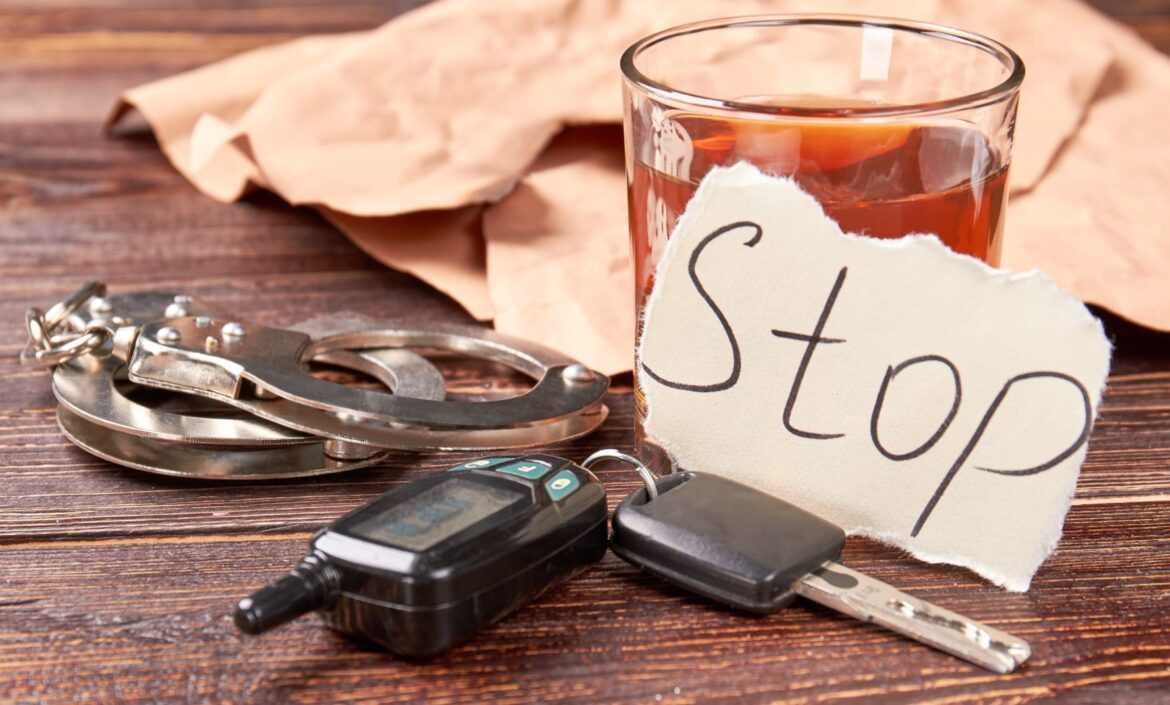
Watch enough body-cam footage from DUI stops along Highway 95 and the channel pull-off near Rotary Park, and you start to see a pattern. The officer’s case is usually built before the breath test ever happens. The driver’s defense, on the other hand, is mostly destroyed in the first 15 minutes. That window matters because Arizona’s DUI laws are some of the toughest in the country, and Lake Havasu City sees a steady run of holiday-weekend, lake-day, and snowbird-season stops where small choices at the curb decide what the case looks like six months later.
If you are searching for a Lake Havasu DUI lawyer after the fact, this is the part of the timeline you’ll be reconstructing. It helps to know what actually happened.
Why Arizona is unforgiving in particular
Arizona has three things that turn an “I had a couple drinks” stop into a serious problem fast.
First, the BAC threshold isn’t the only path to a charge. ARS 28-1381 lets the state convict on “impaired to the slightest degree” even if your breath is below 0.08. That phrase does a lot of heavy lifting. A glassy stare, a slow recitation of the alphabet, a foot wobble on the walk-and-turn, and the prosecution has its theory.
Second, the implied-consent rule. By driving on Arizona roads, you’ve already consented to a chemical test if lawfully arrested for DUI. Refuse, and you’re looking at an automatic 12-month license suspension, separate from anything that happens in criminal court.
Third, the mandatory minimums. Even a first-offense standard DUI in Arizona carries jail time, fines that clear $1,500 once surcharges land, an ignition interlock for a year, and alcohol screening. Extreme DUI (0.15 and up) and Super Extreme DUI (0.20 and up) climb fast from there. There is no “expungement” of a DUI conviction in Arizona in the way most other states use the term. Set-aside relief exists, but the conviction itself stays on your record.
That structure is why the first 15 minutes matter so much. By the time you’re at the station, most of the leverage has shifted.
The mistakes that show up on body cam
Three things sink cases more often than any technical issue with the breath machine:
**Volunteering information.** “I had two beers about an hour ago.” That sentence, said politely through a rolled-down window, ends up timestamped, transcribed, and quoted in the prosecutor’s opening. You are not required to answer questions about where you were drinking, what you drank, or when. Polite refusal (“Officer, I’d rather not answer questions without a lawyer”) is not an admission of guilt. It is a constitutional right.
**Doing the field sobriety tests.** Arizona drivers do not have to perform the horizontal gaze nystagmus, walk-and-turn, or one-leg-stand. They are voluntary. Officers rarely emphasize that. The tests are designed in a way that even sober people fail at meaningful rates, especially on uneven shoulder gravel, in flip-flops, after a long day on the water. Once you’ve performed them, the officer’s narrative report becomes evidence against you.
**Trying to “explain.”** The lake explanation. The medication explanation. The “I’m tired, I drove from Phoenix” explanation. None of these help. They all give the officer probable cause language to use in the report.
The chemical test (the breath or blood test back at the station or a mobile unit) is a separate question. Refusing the post-arrest chemical test triggers the implied-consent suspension. That is a different decision than the roadside FSTs, and people conflate the two constantly.
What the officer is doing in those 15 minutes
Reading the report later, you’ll see the same template every time. Initial observation (lane drift, slow response to the light change, late signal). Contact phase (odor of alcohol, bloodshot watery eyes, slurred or “thick-tongued” speech). Pre-FST phase (asking about drinks, watching you fish for your license). FST phase (six clues on HGN, two clues on walk-and-turn, etc). Then arrest.
Every one of those stages is also a place where the case can be challenged later. Was there a lawful basis for the stop? Was the FST instruction given correctly and on a flat, unobstructed surface? Was the 15-minute deprivation period before the breath test actually observed? Were the maintenance and calibration records for the Intoxilyzer device produced? An experienced Arizona DUI defense attorney is going to subpoena the calibration logs and the dispatch audio before they ever talk plea.
What to actually do, in order
If you ever find yourself in this situation: pull over promptly, hands visible. Provide license, registration, and proof of insurance. Be polite. Then say, calmly, that you’d prefer not to answer questions and that you’d like to speak with an attorney before any tests. Decline the field sobriety tests. If arrested, comply with the chemical test (refusal triggers the longer suspension), then say nothing else until counsel is on the phone. That’s it.
That sounds clinical. In the moment, with red and blue lights behind you on a Saturday night, it is not. People talk because silence feels rude. Officers know that.
Why local matters here
Mohave County prosecutors and Lake Havasu City Court have their own rhythms. Diversion, plea posture on first-time extreme readings, motions practice on stop validity. The team at Matthew Lopez Law works these courts regularly, and their writeup on what a Lake Havasu DUI lawyer looks at in the first review of a case is worth reading if you’re in the early days of a charge. Not every defense lives in the breath test. Plenty of them live in the dash-cam.
A DUI in Arizona isn’t an event. It’s a process that runs eight to twelve months and includes the criminal case, the MVD license action, insurance consequences, and (for commercial drivers, military, and some licensed professionals) collateral hits to your livelihood. The choices you make in the first quarter-hour shape every one of those.