
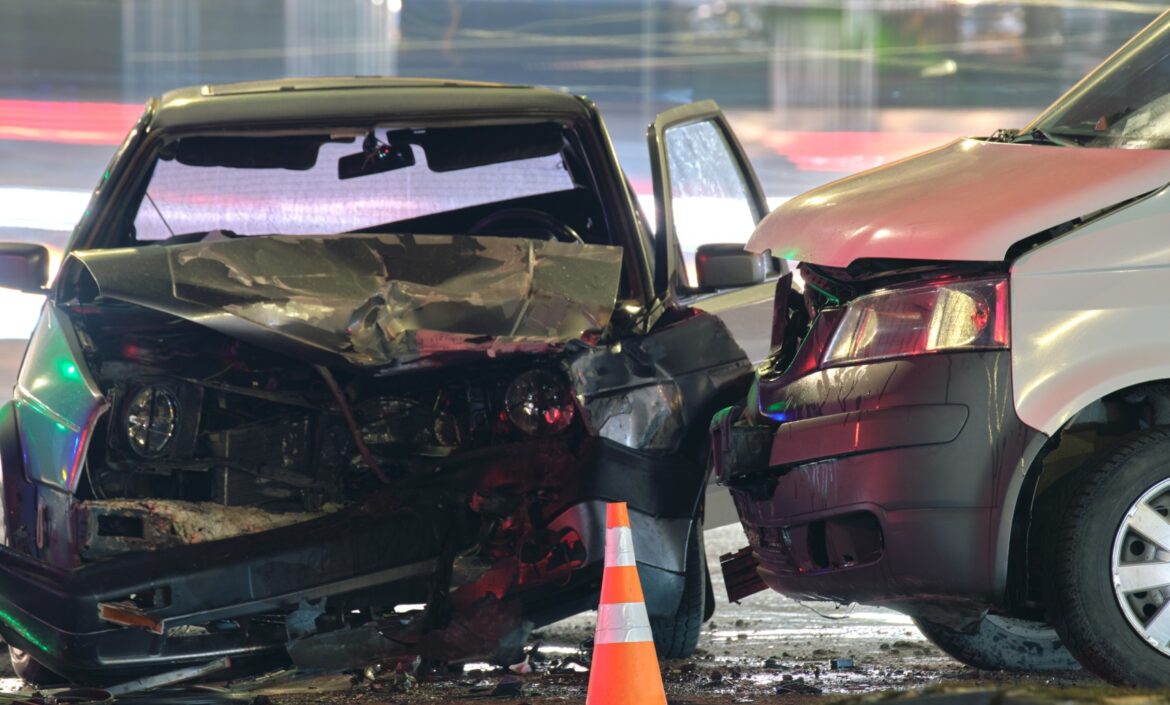
You can be hit by another driver, end up in the ER, lose three weeks of work, rack up forty thousand dollars in medical bills, and walk away with nothing if an Ohio jury decides you were 51 percent responsible for the crash. That is not a hypothetical. It is the rule the entire valuation of an Ohio injury case sits on top of, and most people in central Ohio learn about it for the first time after they have already given a statement to the other driver’s insurance company.
For anyone searching for a Columbus car accident lawyer right now, the first thing worth understanding is the math. Ohio is a modified comparative negligence state with a 51 percent bar. Every settlement number, every demand, every defense strategy, traces back to that one number.
What “modified comparative negligence” actually does
Ohio Revised Code 2315.33 is the operative statute. It says, in plain terms, that a plaintiff in a negligence case can recover damages only if the plaintiff’s share of fault is 50 percent or less. Hit 51 and the case is dead. Anything below 51 percent and the plaintiff can still recover, but damages are reduced by the percentage of fault.
So the math runs like this. A case is worth $100,000. The jury finds the plaintiff 20 percent at fault. The recovery is $80,000. Same case, same injuries, but the jury finds the plaintiff 50 percent at fault. The recovery drops to $50,000. Bump that to 51 percent and the recovery is zero. There is no sliding scale at the top. It’s a cliff.
Compare this to a few neighbors. Kentucky is pure comparative negligence (a plaintiff can be 99 percent at fault and still recover one percent of damages, in theory). Michigan has its own no-fault structure that doesn’t operate the same way at all. Ohio drivers who used to live elsewhere routinely guess wrong about which rule applies.
Why insurance companies build their files around fault percentage
When the other driver’s insurer assigns an adjuster to an Ohio car accident claim, the file is, from day one, an argument about the injured driver’s percentage of fault. Plaintiff-side attorneys in Franklin County have been pointing this out for years. Every recorded statement an adjuster takes is being mined for facts that push that number up. Was the driver over the speed limit? Did they check their blind spot? Did they brake late? Were they on the phone in the last ten minutes, even if not at the moment of impact? Were they tired? Did they have any drinks earlier that day?
None of those facts have to prove the injured driver caused the crash. They just have to make a jury (or a mediator, or another adjuster across the table) plausibly believe the driver contributed enough to push the number near 50 percent. Once the fault number creeps from 10 to 30 to 45, the value of the case has been cut almost in half before anyone files anything.
This is the part nobody explains until it is too late. A Columbus car accident lawyer is not just arguing the other driver caused the crash. They are arguing about every percentage point on the plaintiff’s side of the ledger.
Three things that move the needle in Columbus crashes
After enough cases roll through Franklin County Common Pleas, patterns emerge. In central Ohio specifically, three factual categories move comparative fault percentages more than anything else.
Intersection geometry. Columbus has a lot of older signalized intersections where sight lines are partially blocked by buildings, parked cars, or vegetation. If the defense lawyer can convince a jury the plaintiff “should have seen” the other driver, the number goes up. Photographs of the actual sight line, taken at the same time of day shortly after the crash, are worth more than any witness statement.
Speed evidence. Event data recorders (“black boxes”) in modern vehicles capture pre-impact speed, braking, throttle, and seatbelt status. Defense lawyers will pull this data quickly. Plaintiff counsel needs to preserve it just as fast, before it gets overwritten or the car is totaled and crushed.
Cell phone records. If there is any allegation of distraction, both sides will subpoena phone records. A text sent ninety seconds before impact is going to look bad in front of a jury even if no one was reading it at the moment. The honest version of what was happening matters; surprise discoveries are how comparative fault percentages climb.
What to do in the first 72 hours
For anyone hit in Columbus, three things in the first three days do more for the final number than anything that happens in the next three months.
Get medical care, then keep going. Gaps in treatment are used by adjusters to argue the injuries are not as serious as the plaintiff says. If a person goes to the ER and skips the follow-up because they “felt better,” that gap shows up in the file two months later as a settlement reduction.
Photograph the scene yourself, or have someone do it. Don’t rely on the police photos or the at-fault driver’s insurance investigator. Skid marks, debris fields, sight lines, and signage tell a story that words don’t.
Stop talking to the other side’s insurance company. A statement to the driver’s own insurer may be required by policy. There is no obligation to give a recorded statement to the other driver’s carrier, and almost nothing good comes out of doing so before talking to a lawyer.
The team at The Jones Firm handles these cases in Franklin County and the surrounding counties, and writeups from the firm flag the same recurring mistake: a client who admitted partial fault casually in a recorded statement that locked in a percentage no one could unwind later.
The bottom line on Ohio’s 51 percent bar
Ohio’s comparative negligence rule is not going anywhere. The only available move is making sure the number stays as low as the facts allow. That work starts at the scene and ends with whoever is sitting next to the injured driver when the case is finally valued. Pick that person carefully.