
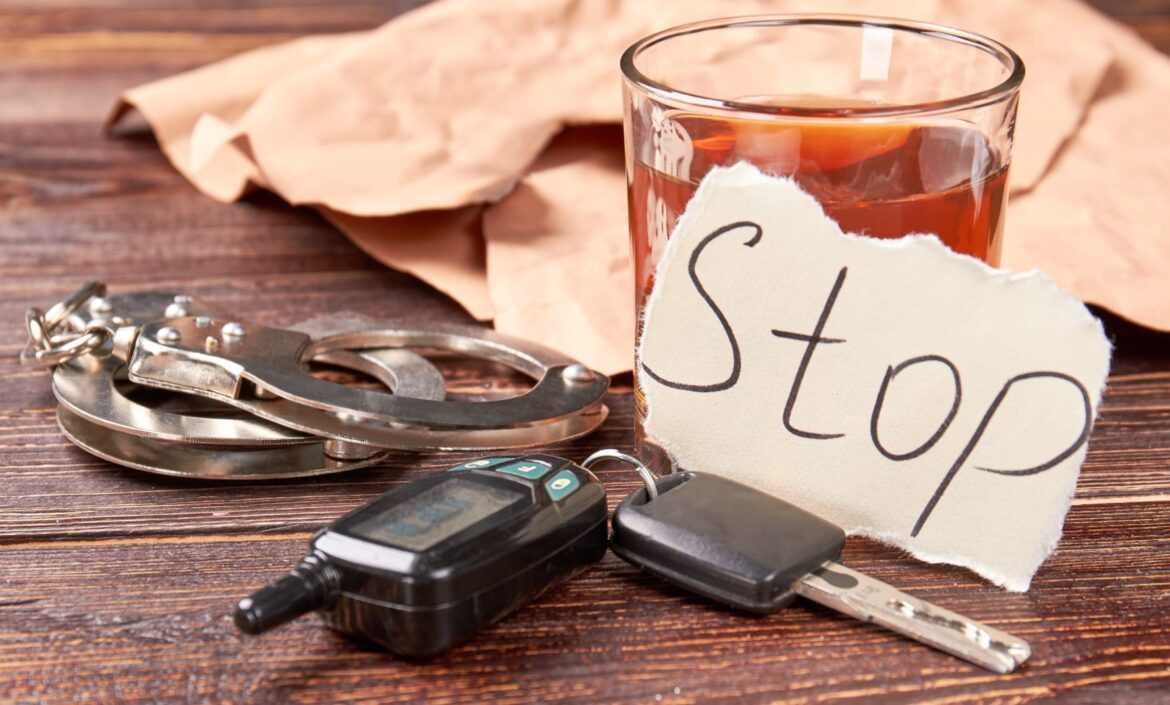
Los Angeles is a city defined by its sprawling geography, where the neon glow of the Sunset Strip eventually gives way to the relentless, high-speed flow of the 405 freeway. While this car-centric culture offers unparalleled freedom, the density of traffic and the heavy presence of law enforcement make it an environment where a single evening out can quickly escalate into a legal crisis. For many drivers in the Southland, the sight of flashing lights leads to a specialized and unforgiving legal process that requires more than just a simple explanation.
Expert advocates at Los Angeles DUI Lawyer provide the sophisticated oversight needed to identify procedural errors and physiological factors that often lead to unjust accusations. By securing a tailored defense early, you can ensure that your rights are upheld in a system that frequently prioritizes efficiency over accuracy.
Improper Stop by Law Enforcement
A common defense is that the police did not have a good reason for the initial stop. Any evidence obtained after a police officer stopped a car that had little to no probable cause to stop the vehicle will, more or less, be inadmissible. The courts will not allow an officer to stop you without probable cause, such as erratic driving or a traffic violation. If the stop was not properly justified, defense attorneys may seek a dismissal of the case. This defense looks at whether the individual was given respect for their rights at the first stop.
Inaccurate Field Sobriety Tests
The field sobriety tests administered as part of a driving under the influence investigation are very important. But these assessments are far from perfect. Test results are affected by several factors, including weather, road surface condition, and health problems. Legal teams regularly challenge how these tests were conducted, including whether instructions were clear and the setting was appropriate.
Faulty Breathalyzer or Chemical Testing
Chemical devices like breathalyzers are used to assess blood alcohol content (BAC). However, these machines do need grooming and fine-tuning. Results from a faulty device cannot be regarded as reliable. Lawyers might want to see records regarding when the gear was last serviced. If there are discrepancies or a lack of calibration, its authenticity gets questioned, and the prosecution loses a lot of strength in their argument.
Rising Blood Alcohol Concentration
Alcohol has some lag time in the blood after consuming it. Anyone pulled over right after getting behind the wheel might experience a spike in blood alcohol because of the time that passes between the stop and the time they actually take a test. This argument holds that the person may have been under the legal limit when he or she was driving, but that he or she later exceeded the limit. If there is also evidence about when drinks were taken, courts will sometimes accept this explanation.
Medical Conditions or Dietary Factors
Specified medical conditions and food consumption can mimic alcohol effects or alter chemical tests. For instance, the breath sample may be a false-positive due to the presence of diabetes or some diet. For example, someone whose walk is a bit wobbly or whose speech is slurred might have a medical condition that has nothing to do with drinking.
Violation of Legal Procedures
Strict rules exist where an officer must follow prescribed guidelines in a DUI investigation. Breaching these protocols could have an impact on a case. For example, neglecting to inform someone of their rights or destroying samples may jeopardize the evidence. Attorneys closely examine each move made by the state, looking for a slip-up that will invalidate important evidence.
No Proof of Operating or Physical Control
At times, parties are charged with driving under the influence even if they do not have evidence that they were behind the wheel. This defence revolves around the lack of evidence of actual driving or control of the car. So, if people are found asleep behind the wheel of a parked car, prosecutors have to show the person had intended to drive or had just driven. Without physical proof that may not be admissible in a court of law, charges might go away.
Conclusion
Getting charged with driving under the influence can be a daunting thing. But many legal arguments can be used to fight those charges. Legal experts often analyze law enforcement actions, testing accuracy and interpersonal situations to ensure that the rights of their clients remain protected. Being informed about these 7 defenses can be comforting to those facing these kinds of cases. It can be much better, fairer, with the right setup.