
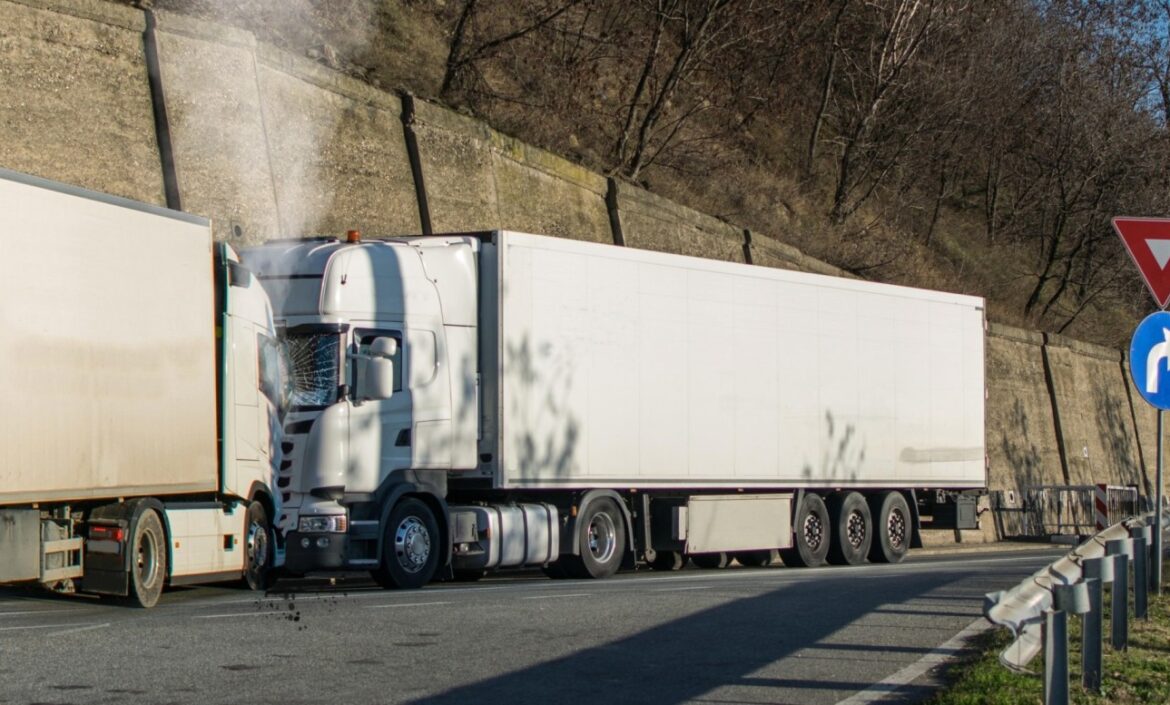
In Tampa, where busy highways carry a constant mix of commercial trucks and everyday commuters, serious collisions are an all-too-common occurrence. Hillsborough County alone reports over 3,000 commercial vehicle crashes in a typical year, leading to dozens of fatalities and hundreds of injuries. These collisions often involve massive vehicles, complex liability factors, and high-impact damage, making every detail at the scene critically important. What happens in the minutes and hours after a crash can shape the outcome of an entire legal claim.
That’s where evidence becomes the backbone of any case. From black box data and driver logs to skid marks and surveillance footage, truck accident claims rely heavily on timely and precise documentation. Without it, key facts can disappear quickly or be challenged by multiple parties involved. For victims trying to understand their rights and next steps, taking immediate action to preserve proof is essential, especially in a city like Tampa, where crash volumes remain consistently high. If you’re unsure how to proceed, it’s worth taking a moment to learn more about how evidence can make or break your case.
Preserving the Truth
Accidents associated with big vehicles produce complex scenarios. Evidence helps create an accurate picture of what occurred. Without enough documentation, some important information can be obscure or disappear. Photos, videos, and eyewitness accounts preserve information that may otherwise be lost to time. Collecting evidence promptly allows time for the true realities of the incident to be revealed prior to human interference or destruction of physical evidence.
Supporting Legal Claims
Proof in a lawsuit is important. Victims of truck accidents have to present strong objective evidence to testify to their side of the story. Liability can be proved through police reports, medical records, and tangible evidence at the scene. Being able to obtain this evidence quickly facilitates any litigation while also allowing you to build your case. Statements may be challenged or rejected without solid evidence.
Clarifying Fault
However, it can be difficult to determine who is to blame in the wake of a serious accident. Things can get tricky when there are several vehicles involved. The road conditions are complex, and everyone seems to have a different version of events. Good documentation can show other important elements, such as speed, traffic lights, and the responsibility of drivers. Surveillance footage or electronic data recorders may provide more clarity as to who is responsible.
Securing Fair Compensation
The proof will determine how much money you can get after your truck accident. Both insurance companies and courts need to confirm the particulars of a claim. When bills start rolling in, and paychecks stop coming in, bringing in the proof of medical bills, repair estimates, and lost income shows the true effect of the crash. They enable victims to claim the compensation they deserve for their losses. Inadequate insurance settlements may occur as a result of this information not being available.
Protecting Rights
Experiencing the aftermath of a crash can leave people rattled. Collecting evidence strengthens their position to fight for their rights. This helps insurable and legal parties to answer questions from insurers and lawyers confidently. Information on witnesses and photos of vehicle damage can be very important if a dispute arises. Lawyers protect their clients’ rights by using evidence to keep them from getting unfair outcomes.
Preventing Evidence Loss
Evidence can vanish quickly. It snows, rains, cleanup crews come, and time passes, and all of these things have the power to obliterate valuable evidence. Acting immediately preserves vital details. Photographing skid marks, vehicle positions, and surrounding conditions preserves the facts. Timely action ensures that nothing of significance becomes lost to history, enhancing every potential future claim or defense.
Assisting Investigators
Solid evidence helps law enforcement and accident investigators with their roles. Evidence collected from the scene helps in their analysis to understand causes and contributing factors. Official reports often leave things unanswered; post-mortems from those impacted can fill them in. People who offer tons of clear, organized information help the pros arrive at the right conclusions. When all evidence is investigated together, it enhances the investigation process.
Reducing Disputes
When big vehicles are involved, people often disagree about what happened. When confusion is eliminated, unnecessary arguments are avoided. When everything is monitored, it is easy for insurance agents and legal teams to assess the circumstances of the incident. This transparency allows for quick resolutions, which reduces stress for those involved. Fewer disputes mean quicker recovery and peace of mind.
Improving Road Safety
The evidence gathered from accidents assists not merely specific cases but rather helps keep the streets safer for everybody. This also aids in greater involvement in efforts to build a safety culture. But authorities scrutinize crash data to discover dangerous locations or repeat causes. Written accounts of these events can serve as harbingers for future regulations and safety precautions. Collecting information helps; the other protects others on the road.
Conclusion
Collecting evidence after a truck accident is important for numerous reasons. It protects the truth, clarifies who is actually responsible, and upholds fair compensation. Taking action quickly protects rights and keeps details from fading away. Good documentation also helps investigative work and minimizes ambiguity. Making evidence collection a priority is not only good for the people who will be traveling on these roads for years to come, but it is also great for people who are impacted directly.