
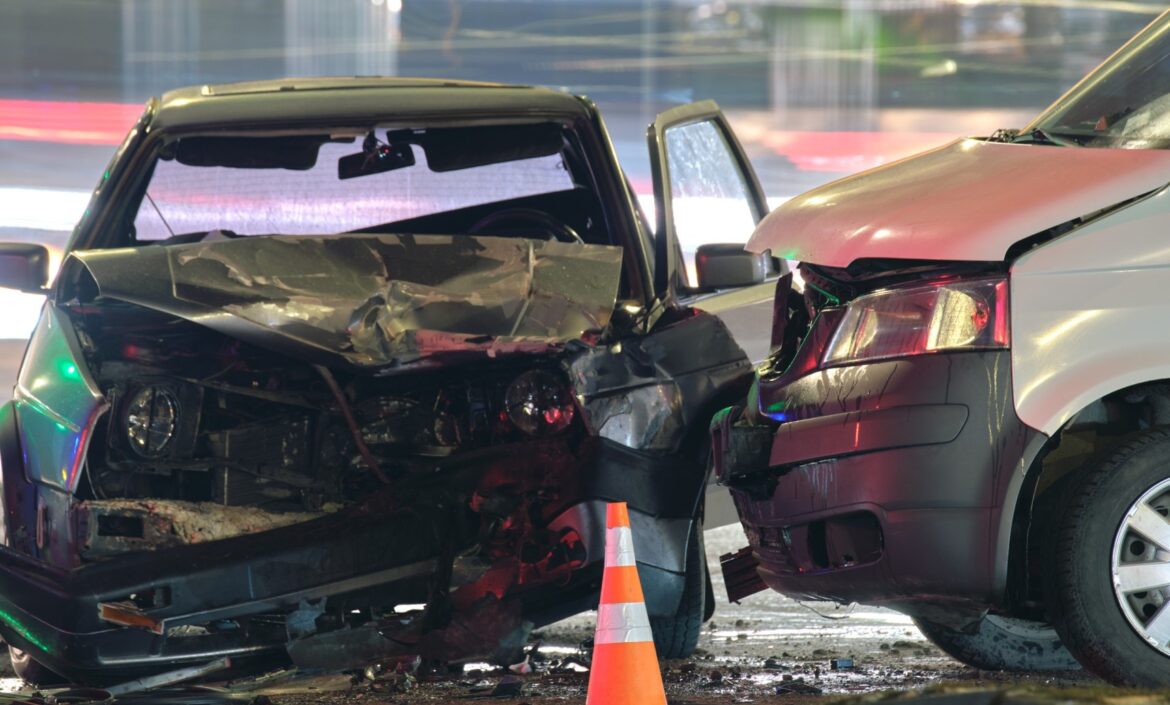
It takes seconds: a vehicle crash. Who did it can take a lot longer to find out. In Washington, DC, culpability is determined by the facts, evidence and conduct of each motorist involved. Police reports, witness statements, images, traffic laws and other data may be used to help show what happened. Why is this important? Fault can impair an injured party’s ability to recover monetary damages for medical bills, lost wages, vehicle damage and other damages. DC has specific laws governing contributory negligence, which could make these situations more complicated. If you have been injured in a crash, talking to a DC Car Accident Lawyer will help you understand how those guidelines might apply to your case.
What Is “Fault”?
Fault usually indicates a crash caused by a person’s reckless or wrongful act. Example of a driver responsible for:
- Running red lights
- Distraction in driving
- Rolling over
- Exceeding the speed limit
- Not giving in
- Dangerous turn
- Driving While Intoxicated
- Lane changing without seeing
But a traffic ticket isn’t necessarily the whole picture. An accident can have multiple causes. A driver may be speeding, another driver may make an unsafe turn. We have to look at the facts collectively. That’s why fault shouldn’t be decided on one person’s version alone.
Evidence Can Tell a Story
After a crash, sometimes memories are fuzzy. People may recall the hit, but forget what transpired in the seconds prior. Evidence can bridge those gaps. Common evidence:
- Police accident reports
- Photos, video from the scene
- Video from traffic cameras
- Dashcam footage
- Witness testimony
- Damage to Vehicle
- Debris and skid marks
- Health records
- Cell phone logs, as permitted by law.
- Driver and vehicle records
- Insures documents
DC law also requires police accident reports to indicate if a phone or any other electronic device may have contributed to a crash. Little things can count too. A dented bumper, a broken traffic sign or the position of a car may assist explain how the collision occurred.
The police report can help – but it isn’t the whole story.
A police report might give you helpful facts regarding a crash. It may include the drivers, vehicles, witnesses, road conditions, officer observations. But a court or an insurance company might look at other evidence. The report is one piece of the puzzle. If the incident is an injury crash in DC, DC DMV urges you to call 911. For a non-injury incident, drivers should follow the instructions of the DC DMV on non-injury crashes and tell their insurer. It is also important to get medical help. A few injuries don’t hurt much at all. The pain may be hours or days later.
Witnesses May Bolster a Claim
A neutral witness might be useful when drivers tell different stories. Imagine two automobiles colliding at a crossroads. A driver says the signal was green. The other said it was red. The guy standing there might have observed the signal change. That comment could assist clarify what transpired. Collect witness contact information when it is safe to do so. Photographs of the scene can also retain details that might be lost later.
What About Traffic Tickets?
A traffic violation might be used as evidence that a crash occurred. Envision a driver who was speeding and crashed with another car. The motorist may have had less time to respond, or the impact may have been more forceful because of speed. But the legal question can be more subtle than, Who got the ticket? The facts must establish whether or whether the behavior caused the injury or damage involved. Other drivers, road conditions, problems with the vehicle and other factors may also matter. So it’s useful to have a detailed review of the whole crash.
Contributory negligence rules in DC.
That’s where things might become complex with DC vehicle accident claims. There is a contributory negligence rule in DC law. Your negligence may impair your right to seek damages in many common negligence scenarios. A particular regulation applies to some pedestrians and other vulnerable road users. Their negligence is not a bar to recovery under DC Code § 50-2204.52 unless it was a cause of the damage and was larger than the aggregate carelessness of the defendants causing the injury. This rule addresses some collisions involving persons such as walkers and bikers. Drivers of cars should not assume that the same rule applies in the same way to every crash. The nature of the incident and the parties involved can alter the legal course.
Insurance Companies Also Consider Fault
Insurance firms generally evaluate claims before determining what they will pay. They could ask for:
- A description of the accident
- Images
- Police reports
- Health Records
- Estimates of vehicle repairs
- Witness Info
- Insurance Information
DC imposes specific minimum insurance coverage for motorists. Per DC DMV, the minimum third party liability coverage is $25,000 per person and $50,000 per accident. The DMV also has a mechanism to check the insurance record for a DC vehicle tag number. In case of a catastrophic crash, be careful what you say to your insurer. A statement made hastily may leave out important details or confuse the issue of what transpired.
What If Both Drivers Blame One Another?
That happens a lot. They hit me, one driver said. No, they made it, says the other. Stories sometimes clash. Then evidence matters much more. An attorney can look at the crash report, photos, witness statements, vehicle damage, video, medical records and any other data that is accessible. An expert in reconstructing accidents can sometimes also explain speed, vehicle movement, places of impact, or stopping distances. The idea is to provide a consistent story of events.
What to do after a car crash in DC?
If you find yourself in a car accident, try to remain calm and think about safety first. If someone is wounded, call 911. Seek medical attention as required. Gather helpful information if it is safe to do so. Photograph the vehicles, road, traffic signs and any evident injuries. If possible, get names and contact details of witnesses. Don’t quarrel with the other driver over who is at fault at the scene. You don’t have to solve the legal case next to the broken autos. Maintain copies of medical bills, repair reports, insurance correspondence, and other papers relating to the crash. These are things that may be of value later.
When you might want to get legal help
Some crashes are straightforward. Others are far from straightforward. Legal counsel might be essential when a major injury results from the collision, the drivers disagree on who is at fault, more than one car is involved, or the insurer disputes the claim. Price Benowitz Accident Injury Lawyers, LLP handles automotive and other motor vehicle accident cases in Washington, DC including car, truck, motorcycle, bicycle, bus and pedestrian accidents. The business handles cases involving serious injuries like burn injuries and spinal cord damage. An automobile accident in Washington, DC can leave you with pain, costs, missed work, and a lot of unanswered questions. Understanding how fault is identified will help you confidently move on to the next step.
FAQs
1. How is fault decided following an automobile collision in Washington, DC?
Short answer: Fault is determined by evidence of what happened in the crash.
Detailed answer: Police reports, witness interviews, photos, videos, car damage, traffic laws, etc. are all examples of records that can help show what each driver was doing prior to the crash.
2. Can a police report specify who is at fault?
Short answer: Probably not.
Detailed answer: A police report can be helpful evidence but insurers and courts may examine alternative information. Witnesses, films, images and tangible evidence may be available to influence the fault analysis.
3. Both drivers share the fault for a DC vehicle accident?
Short answer: Yes, based on the facts and current DC legislation.
Detailed answer: A crash could be caused by more than one person’s behavior. Legally, the consequences of each person’s negligence will depend on the claim and the regulations that apply.
4. What evidence should I retain after a DC vehicle accident?
Short answer: Keep copies of images, reports, medical records, bills and insurance papers.
Detailed answer: Save witness information, repair quotes, vehicle records and relevant messages too. The records can help to preserve the facts of the accident.
5. Do I need to call a lawyer after a major DC vehicle accident?
Short answer: If liability or damages are disputed, legal assistance can be helpful.
Detailed answer: A lawyer can analyze the evidence that is available, explain the rules that may apply and negotiate with the insurers on your behalf. This can be particularly valuable following a major injury or a disputed crash.