
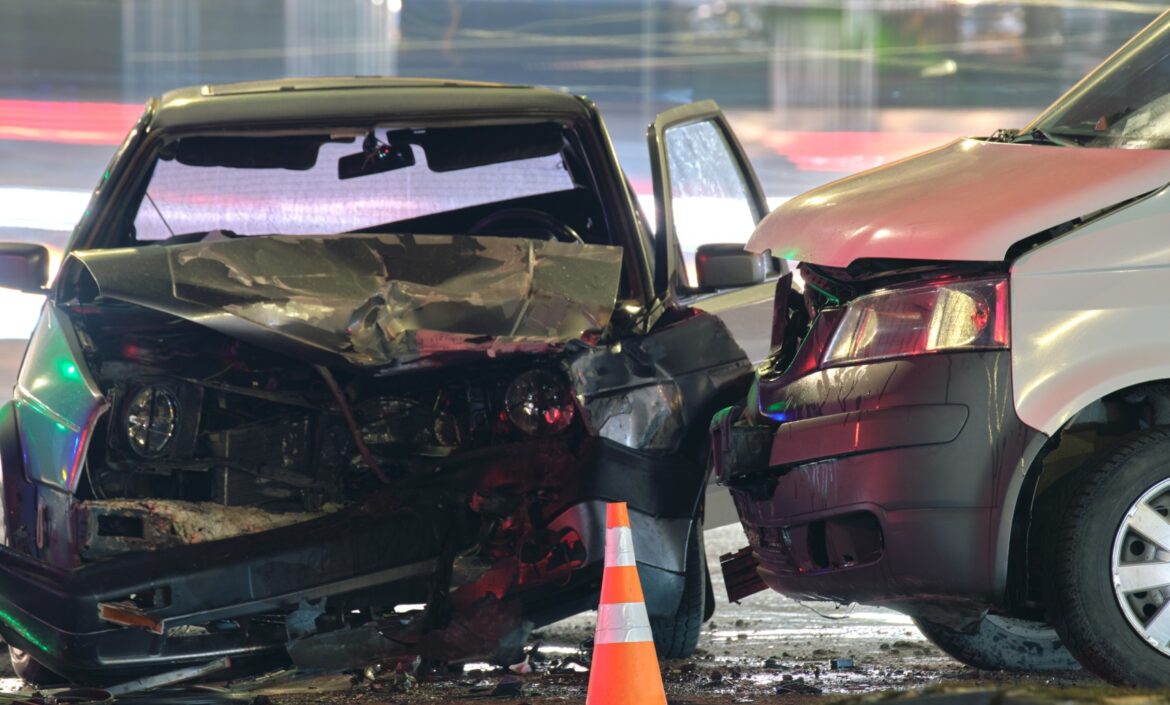
Fairfax is a dynamic Northern Virginia community where busy commuter routes, thriving neighborhoods, and growing business districts keep traffic moving throughout the day. With thousands of residents and visitors traveling its roads daily, car accidents can occur unexpectedly, leaving victims to deal with injuries, financial concerns, and uncertainty about what to do next. In the moments after a collision, the choices you make can have a lasting impact on both your recovery and your ability to pursue compensation.
Understanding your legal rights early can help you avoid common mistakes, preserve important evidence, and navigate the claims process with greater confidence. Whether the crash seems minor or involves significant injuries, taking informed steps from the beginning can make a meaningful difference as your case progresses. Speaking with a Ben Glass Law car accident attorney in Fairfax can provide valuable guidance tailored to your situation and help you better understand your legal options. Knowing how to protect your rights following a car accident is an important first step toward securing the recovery you deserve.
Get Safe First
After impact, safety comes before paperwork. People should move away from traffic when movement does not increase injury risk. Emergency services should be called for pain, confusion, dizziness, bleeding, or breathing trouble. Police can document vehicle positions, speak with drivers, and prepare an official report. That record may later be linked to injuries, road conditions, and property damage.
Know Local Stakes
Fairfax collisions can be influenced by lane position, braking distance, signal timing, and early symptom reports. Virginia’s contributory negligence rule can bar recovery when a person shares even a slight degree of fault. Consulting a car accident attorney in Fairfax can help families assess coverage, preserve proof, and decide what should be shared before any recorded statement with insurers.
Gather Scene Evidence
Photos often protect facts before vehicles are moved or rain clears debris. Useful images include impact points, skid marks, broken glass, traffic controls, road defects, and visible injuries. Drivers should save names, phone numbers, license plates, policy details, and witness contacts. Small facts may become important if an insurer later disputes how the collision occurred.
Seek Medical Care
Prompt care creates a clinical record tying symptoms to the crash. Some harm, including concussion, ligament strain, nerve irritation, and internal bleeding, may appear hours later. Delayed treatment gives insurers room to claim another cause. Follow-up notes, imaging reports, prescriptions, therapy records, and discharge papers should be stored together.
Avoid Quick Admissions
Shock can make people apologize, guess, or minimize pain. Those comments may later be treated as admissions of fault. A safer response is to provide basic facts to police, paramedics, and treating clinicians. Speculation about speed, distraction, or blame should wait until physical evidence and witness accounts are reviewed.
Report The Crash
Most insurance policies require prompt notice after a collision. A report should include the date, location, vehicles involved, and known injuries. It should avoid guesses, casual blame, or recorded statements made under pressure. If another driver was working, uninsured, borrowing a car, or using a company vehicle, several policies may apply.
Track Every Loss
A claim may include more than repair invoices. Records should show medical bills, lost income, rental costs, mileage, childcare, and household assistance. A brief pain journal can document sleep disruption, reduced grip strength, limited mobility, anxiety, and missed family events. These details explain harm that never appears on a receipt.
Watch Insurance Tactics
Adjusters may sound helpful while gathering comments that reduce payment. Early offers often miss future therapy, injections, surgery, medication, or reduced earning capacity. Once a release is signed, the claim usually ends. An injured person should compare any proposal with complete medical records and wage documentation before accepting funds.
Preserve Digital Proof
Many crashes leave electronic evidence. Dash cameras, security footage, repair estimates, text messages, call logs, navigation data, and vehicle alerts may support a claim. These materials can disappear quickly. Businesses may overwrite video data within days, so early preservation letters can protect evidence before routine deletion occurs.
Mind Virginia Deadlines
Legal deadlines can decide whether a claim survives. Different notice rules may apply when a government vehicle, a child, a fatal injury, or an uninsured driver is involved. Waiting also makes witnesses harder to locate and memories less precise. Early review helps keep forms, notices, and filing dates in order.
Protect Privacy
Social media can damage a claim even when posts seem harmless. Photos, check-ins, jokes, exercise updates, and travel pictures may be taken out of context. Privacy settings do not fully protect online material. A careful person should avoid posting about injuries, treatment, work limits, activities, or the collision.
Choose Help Carefully
Legal guidance should provide clear advice, candid case review, and practical next steps. A sound plan identifies evidence of fault, available coverage, medical evidence, and likely defenses. Pressure should never replace informed judgment. Families benefit from plain explanations before decisions affect treatment, settlement value, and long-term recovery.
Conclusion
Rights after a car accident are protected through steady action, careful documentation, and timely care. Medical evaluation, evidence preservation, accurate records, restrained communication, and deadline awareness all matter. Insurance companies examine details closely, so injured people should prepare with equal care. In Fairfax and across Virginia, strict fault rules make preparation especially important. With organized proof and sound guidance, a person can protect health, finances, and future choices.