
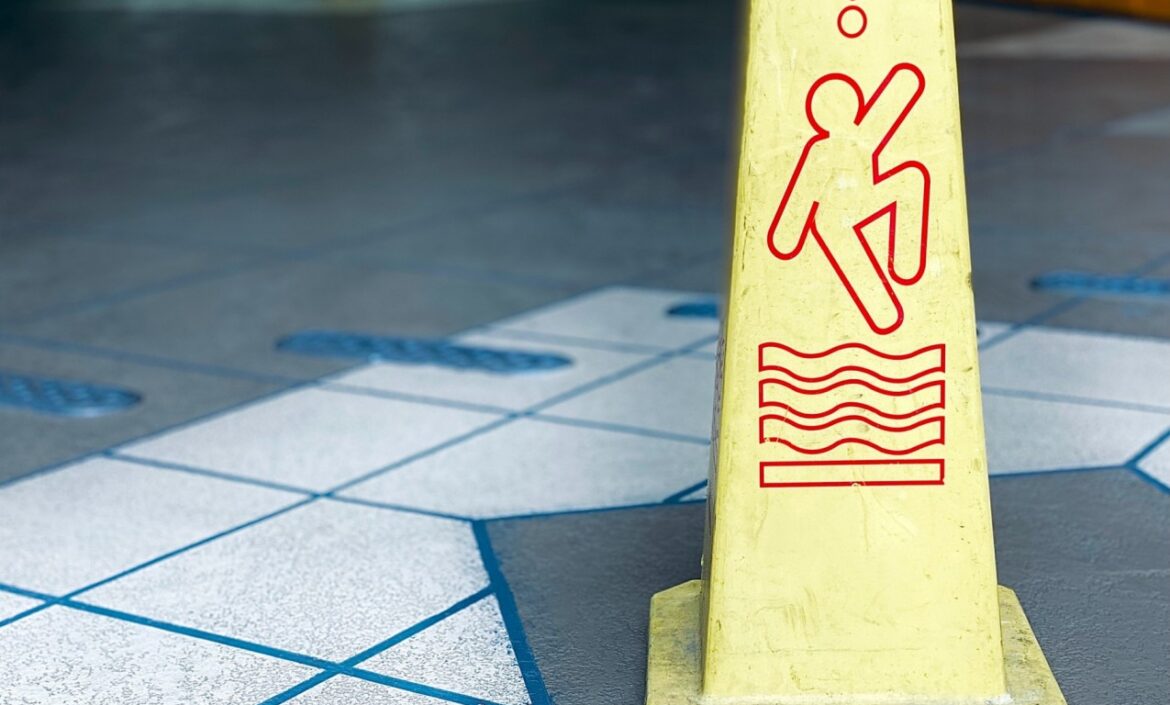
Slip-and-fall accidents can cause serious injuries in a matter of seconds. Nationwide, falls account for more than 8 million emergency room visits each year, making them the leading cause of ER visits, and over 1 million of those visits are linked specifically to slip-and-fall incidents. In Las Vegas, hazardous conditions such as wet floors, uneven walkways, poor lighting, and inadequate property maintenance can leave victims facing painful injuries, mounting medical expenses, and time away from work.
Property owners have a duty to keep their premises reasonably safe for visitors. When they fail to address known hazards or provide adequate warnings, injured individuals may have the right to pursue compensation. Seeking slip and fall legal representation at H&P Law can help victims understand their rights, gather evidence, and determine whether negligence contributed to their accident. Knowing the legal options available after a fall is often the first step toward protecting your interests and pursuing the compensation you may deserve.
Early Legal Choices
After a fall, early decisions shape medical documentation, scene evidence, and insurance conversations. Someone hurt in a casino, grocery aisle, apartment stairwell, or parking lot may need to compare treatment costs, missed wages, and fault questions before seeking slip and fall legal representation for guidance on Nevada premises liability rules, claim timing, and possible recovery paths.
Report the Incident
A written report creates an immediate record. Management should receive notice before the flooring dries, lighting changes, or witnesses leave. The report should identify the location, time, hazard, injury, and employees involved. A copy may become important later, especially if a business disputes where the fall happened or how quickly their staff responded.
Get Medical Care
Prompt medical care links symptoms to the fall. Emergency notes, clinic records, imaging, and therapy plans can show severity. Delayed treatment gives insurers room to suggest another cause. Follow-up visits also document swelling, headaches, nerve pain, reduced grip strength, balance issues, or delayed soreness after adrenaline fades.
Preserve Scene Proof
Photographs often clarify what words cannot. Images should show the hazard, warning signs, lighting, footwear, weather, flooring material, and nearby surroundings. Witness names and phone numbers matter because memory weakens quickly. If cameras were installed nearby, a written preservation request may help protect footage before routine deletion.
Identify the Property Owner
Responsibility may involve several parties. A landlord, tenant, cleaning company, maintenance vendor, or security contractor could have controlled the unsafe area. Lease terms and service agreements may show who inspected, repaired, or supervised that space. Control matters because the responsible party had the authority to correct the danger or warn visitors.
Proving Negligence
A claim usually requires proof that a dangerous condition existed. Evidence must also show the owner created, knew about, or should have found that condition. Spilled liquid, cracked tile, missing handrails, and poor lighting may support liability when records show weak inspections, delayed cleanup, or missing warnings.
Invitees and Guests
Visitor status affects the duty owed. Shoppers, diners, hotel guests, and casino patrons are often invitees because their presence benefits the business. Such a status usually brings stronger protection. Social guests may have different rights, although owners still must warn them about known dangers. Trespasser claims remain much harder under Nevada law.
Common Defense Tactics
Insurers often challenge fault. They may argue that the hazard was obvious, the injured person looked away, or their shoes caused the fall. Some point to prior pain or age-related conditions. Clear photos, witness statements, treatment records, and symptom timelines help respond to such claims with evidence instead of speculation.
Damages to Review
Recoverable losses may include hospital bills, therapy, medication, future care, lost wages, reduced earning capacity, and pain. Serious falls can cause fractures, concussions, spinal trauma, internal bleeding, or lasting gait problems. A fair demand should address present expenses and future effects supported by medical opinions.
Settlement or Lawsuit
Many cases resolve through negotiation. A lawsuit may be necessary when liability is denied or an offer does not consider an injury serious enough to warrant adequate compensation. Filing suit can allow discovery, sworn testimony, document requests, and expert review. Trial remains available if evidence supports negligence and settlement discussions fail.
Time Limits Matter
Deadlines can end an otherwise valid claim. Nevada injury cases often have strict filing limits, while key proof can vanish much sooner. Video footage, inspection logs, employee schedules, and cleaning records may disappear quickly. Early action gives injured people a stronger chance to secure evidence before routine business practices erase it.
Conclusion
Unsafe premises can leave injured people managing pain, medical appointments, work disruption, and pressure from insurers. Legal options depend on evidence, visitor status, the owner’s knowledge (about the danger), and the full extent of harm. A strong claim begins with care, reporting, preserved proof, and informed review. With organized steps, injured people can pursue accountability and seek compensation that reflects immediate losses plus long-term physical consequences.