
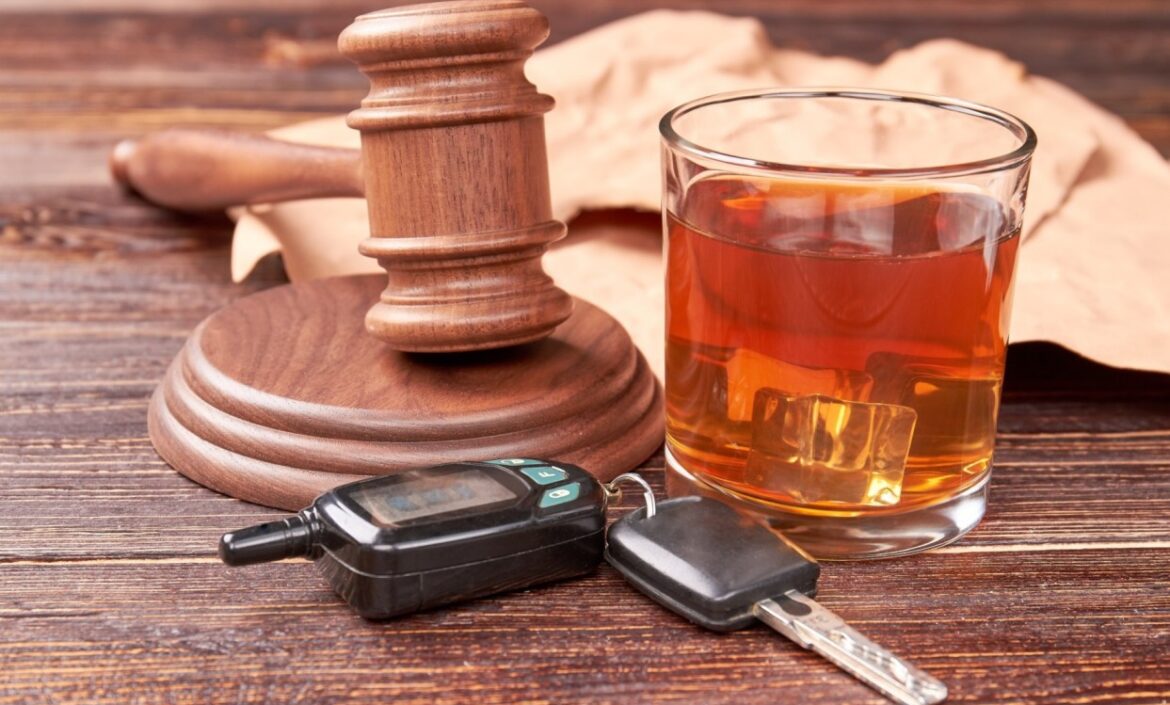
You can still be arrested for a DUI without an accident. You don’t have to hit another car or property or hurt someone to be charged with a DUI. Maybe you got pulled over by an officer for improper lane management. Maybe you were stopped at a checkpoint. The police may have then asked him questions or asked him to do field sobriety tests. That can be confusing. You might be thinking, “Hey, nobody got hurt. How bad could this be?” That depends on the law in your state and the specifics of your case. Every state has laws against impaired driving, but the rules and penalties might vary. A DUI lawyer will be able to look at those facts and find weaknesses in the state’s case.
No Crash, No Defense
It does not take an accident to have a DUI case. The state can build its case on driving behavior, observations of the officer, field sobriety tests, breath findings, blood testing or other evidence. States have various rules and processes for intoxicated driving violations, the NHTSA adds. Not a mistake necessarily. That also means that an arrest is not a conviction. The state still has to substantiate the charge under the applicable laws. It’s the lawyer’s job to test that evidence.
First the Lawyer Looks at the Traffic Stop
Often the defense has one essential question:
What did the cop stop you?
The response is important. The lawyer can look at the officer’s report, dashcam video, body-camera footage and other data. The purpose is to know what happened before the DUI inquiry started. Was it a traffic offense? Was the cop right about the driving? Is the video in line with the report? These questions can seem trivial. Sometimes they are not little in court. A precise timeline can illustrate whether the stop and subsequent inquiry followed the regulations that must be followed.
Field Sobriety Tests May Be Reviewed
Field sobriety tests are often part of DUI investigations. The NHTSA recognizes three standard tests: the horizontal gaze nystagmus test, walk-and-turn test, and one-leg-stand test. These tests are not performed in a lab. They are found beside roadways, parking lots and highways. What can happen depends on the weather, lighting, traffic, footwear and the terrain itself. A lawyer can look at how the officer provided the directions. The lawyer might also look at how the test was administered and recorded. Physical conditions may also be important. An injury or a balance problem can impact performance. One unsteady step does not tell the whole tale.
Breath Test Results Need Closer Scrutiny
Breath tests are often a significant part of the evidence in a DUI case. The NHTSA classifies breath devices as preliminary breath-test devices and evidentiary breath-test devices. Evidential devices can produce results for use in court. A lawyer can investigate the records underlying the test. This could include questions such as:
- Device type used
- Device approval and testing data
- Checks of calibration
- Maintenance logs
- Police Training
- Test methods
- When to take the test
NHTSA maintains requirements for models and lists of devices that fulfill its standards. Breath tests – it’s all about the number. So does how that figure was arrived at.
Different Legal Issues Can Be Raised by Blood Tests
Some DUI cases also involve blood testing, in addition to or instead of breath testing. A lawyer can look at how the material was collected, stored, transported and tested. Chain of custody documents may also be relevant. Under the Fourth Amendment, the purpose of the blood draw may be relevant. The U.S. Supreme Court in Missouri v. McNeely ruled that the natural metabolization of alcohol in the bloodstream is not an exigency in every case sufficient to justify an exception to the Fourth Amendment’s warrant requirement for nonconsensual blood testing. The facts of each case count. Then, in Birchfield v. North Dakota , the Supreme Court tackled blood and breath tests. The Court distinguished between breath and blood testing under the search-incident-to-arrest doctrine. These are laws of engineering. The facts still control the outcome.
What happens if I refuse a chemical test?
Many states have implied-consent rules in regard to chemical testing . NHTSA said all states have such statutes, although the rules and punishments vary. Refusal can lead to another license issue, or other legal concern. That’s why people should not think that not taking an exam does not have consequences. The outcome is dependent on the state and the test type involved. A lawyer can tell you what the refusal implies in the law of the place where you were arrested.
The Police Report Is Not the Whole Story
When you see a police report for the first time it can look really scary. But it’s just one piece of the puzzle. A DUI lawyer may want to obtain other records such as:
- Body camera video
- Dashcam footage
- Dispatch log
- 9-1-1 Calls
- Breath Test Records
- Laboratory reports
- Witness Declarations
- Video from traffic cameras
The trouble is, video can occasionally provide details that don’t jump off the page in a report. The lawyer can look at those sources. If they don’t match, that difference may need more thorough study.
A Lawyer Can Review the Whole Timeline
Timing might be important in DUI situations. When did the police observe the vehicle? When did the traffic stop start? When was sobriety testing performed? What was the date of the arrest? Then ask about the chemical test. Was it a few minutes later? Much later? What happened between the test and the stop? A lawyer can put these occurrences on a timeline. This makes it easy to discover missing facts, conflicting assertions or legal issues. It’s like laying the pieces of a puzzle out onto a table. Rarely does one piece give the whole narrative.
Even a first DUI can be serious
No accident doesn’t equal no repercussions. Depending on the state, a DUI conviction can lead to fines, license penalties, ignition-interlock restrictions, probation, or treatment or jail time. NHTSA publications on state laws address penalties, license actions, and ignition-interlock requirements in the states. A first offense might also cause complications beyond the courts. Insurance rates may increase. Your work is harder than driving. License suspension may interfere with school or family obligations or everyday travel. That’s why a first DUI still has to be regarded seriously.
How a Criminal Defense Attorney Can Help
A Criminal Defense Lawyer can evaluate the facts and tell you what legal options are available. This examination can involve traffic stop, officer conduct, field tests, chemical testing, statements, and search concerns. The lawyer might also point to evidence that can be disputed in law. Some challenges will not be successful. Some proof could be allowed. The key is knowing what the state has and if they can utilize that evidence legally.
How Can Platinum Criminal Defense Law Firm Help?
Platinum Criminal Defense Law Firm represents individuals charged with crimes in the United States. The firm calls David Benowitz a veteran criminal defense lawyer. It also says he is AV-rated by Martindale-Hubbell and has a perfect 10 rating from Avvo. The firm also points out that Mr. Benowitz is a member of the National College of DUI Defense. It also lists him as faculty at the Harvard Law School Trial Advocacy Workshop. If you have been caught for DUI and there was no accident, don’t think there’s nothing to look at. A lawyer can analyze the facts, explain the relevant law, and assist you understand your options. No crash does not indicate no case. That doesn’t mean the state’s proof should be unchallenged either.
Q&A
1. Can I be arrested for DUI even if there was no accident?
Short answer: Yes. You can be arrested and charged with a DUI without an accident.
Detailed answer: Police can examine suspected impaired driving based on driving behavior, their observations, field tests or chemical testing. The specific standards are set by state statute.
2. Can a DUI lawyer dispute a traffic stop?
Short answer: Yes, if the facts allow for a sufficient legal basis.
Detailed answer: The lawyer can look into the reasons for the stop and what happened later. Video, reports, witness testimony and other records could assist fill in what really happened.
3. Is it possible to appeal a DUI breath test?
Short answer: It can be checked for legal and testing difficulties.
Detailed answer: A lawyer might see the device, calibration records, maintenance history, testing procedure, police training and time. NHTSA recognizes two types of breath devices: preliminary and evidentiary.
4. Is refusing a DUI test automatically a guilty plea?
Short answer: No. Refusal to testify does not of itself prove guilt.
Detailed answer: Refusal can still have legal implications. NHTSA said states have implied-consent laws and can punish those who refuse chemical tests. The exact outcome depends on the state law and the type of test.
5. Do I need a DUI lawyer if no one was hurt?
Short answer: Consider consulting a lawyer before making any big decisions on the issue.
Detailed answer: A lawyer can evaluate the stop, the arrest, the tests, the reports and the other evidence. A first DUI can include license and criminal penalties even if no accident happened.