
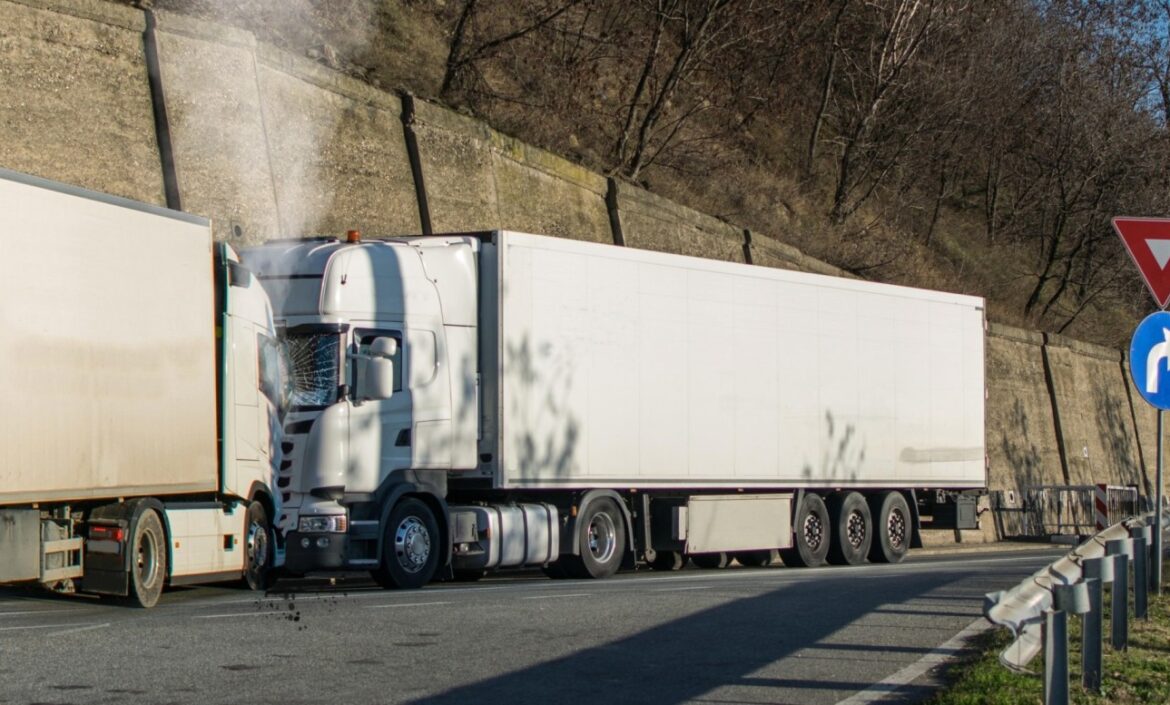
Truck crashes carry consequences that far exceed those of an ordinary vehicle collision. In 2021, large trucks were involved in roughly 5,700 fatal crashes nationwide, an 18% increase from the prior year, while overall fatalities linked to these collisions rose by 17% during the same period. Georgia reflects this trend closely: within the state’s rural counties, large trucks were involved in 18% of all fatal crashes, despite those counties accounting for only about 21% of the population. Figures of this magnitude suggest a pattern that extends well beyond simple driver error.
This pattern is precisely what makes liability determinations so complex. Federal and state trucking regulations establish who may bear responsibility when a crash occurs, whether that responsibility falls on the driver, the motor carrier, or a third party involved in loading or maintenance. Individuals pursuing a claim in Georgia often turn to a truck accident attorney in Atlanta to interpret how these regulations apply to the circumstances of a given case. A closer look at this regulatory framework reveals how liability is truly assigned and why the details matter so much.
Why Rules Matter
Liability often begins with the safety rules that govern commercial travel. After a serious wreck, a truck accident attorney may study logbooks, repair entries, dispatch records, and onboard data to see whether a legal duty was violated before impact. This review matters because a clear violation can show preventable conduct, weak oversight, or both, which often shapes settlement value and trial strategy.
Where Claims Are Built
Early case work usually focuses on records, not opinions. Investigators may compare driver logs with fuel receipts, toll data, route timing, and electronic tracking. Small gaps can carry weight. If a timeline shows extra driving, missed rest, or hidden delays, those facts can connect a rule breach to fatigue, poor judgment, or mechanical risk at the moment of collision.
Hours Behind the Wheel
Fatigue remains a central issue in many truck crashes. Hours-of-service rules limit driving time, require off-duty periods, and set break standards meant to reduce slowed reaction speed. A record violation may support a negligence claim, but blame can still be spread wider. Carrier pressure, unrealistic delivery windows, or weak supervision may show that unsafe scheduling started well before the driver entered traffic.
Inspection Duties
Inspection rules cover tires, brakes, lights, steering parts, coupling gear, and other systems that can fail under load. These checks are meant to catch danger before a truck reaches public roads. Missed service can leave a vehicle with poor stopping ability or unstable handling. When repair histories show delays, skipped work, or repeat defects, liability may extend beyond the person driving.
Cargo and Weight
Load security affects balance, braking distance, and rollover risk. Federal rules limit weight and require freight to be secured with methods suited to the cargo type. A shifted load can send a trailer sideways during a turn or sudden stop. In some claims, warehouse staff, brokers, or loading crews face scrutiny because their choices may have created the hazard.
Hiring and Training
A carrier must do more than just hand over the keys. Screening should include license status, driving history, medical fitness, and prior safety issues. Training also matters for city routes, heavy freight, and poor weather. If a company ignored warning signs or failed to prepare a driver for known risks, such a lapse can support claims for negligent hiring or supervision.
Electronic Proof
Modern trucks generate evidence that can sharpen a liability analysis. Electronic logs, engine data, braking records, and event information may reveal speed, steering input, and driving hours near the crash. This material often tests whether a written report matches what the truck actually did. If the numbers conflict with a driver’s account, credibility may erode quickly before a jury.
More Than One Defendant
Truck cases often involve several responsible parties. A driver may have made the final mistake, but the carrier, maintenance contractor, cargo loader, or equipment maker may share legal fault. This input matters for two reasons. First, each party may control different evidence. Second, separate insurance policies can affect whether the injured person has a realistic path to full compensation.
Georgia Case Impact
Georgia claims require proof that links a violation to actual injury. A broken rule alone does not guarantee recovery, but it can carry strong persuasive value. Judges and juries often treat safety standards as a practical measure of reasonable conduct. Repeated non-compliance, incomplete records, or ignored warnings may help show that the crash occurred due to avoidable decisions, not chance.
Conclusion
Trucking regulations affect liability since they define the daily safety duties linked to commercial driving. Once a crash occurs, these rules help investigators test conduct against a clear legal standard. Violations may point to fatigue, poor maintenance, unsafe loading, or careless supervision. In a serious case, such a paper trail can become the strongest proof of fault and the basis for fair financial recovery.