
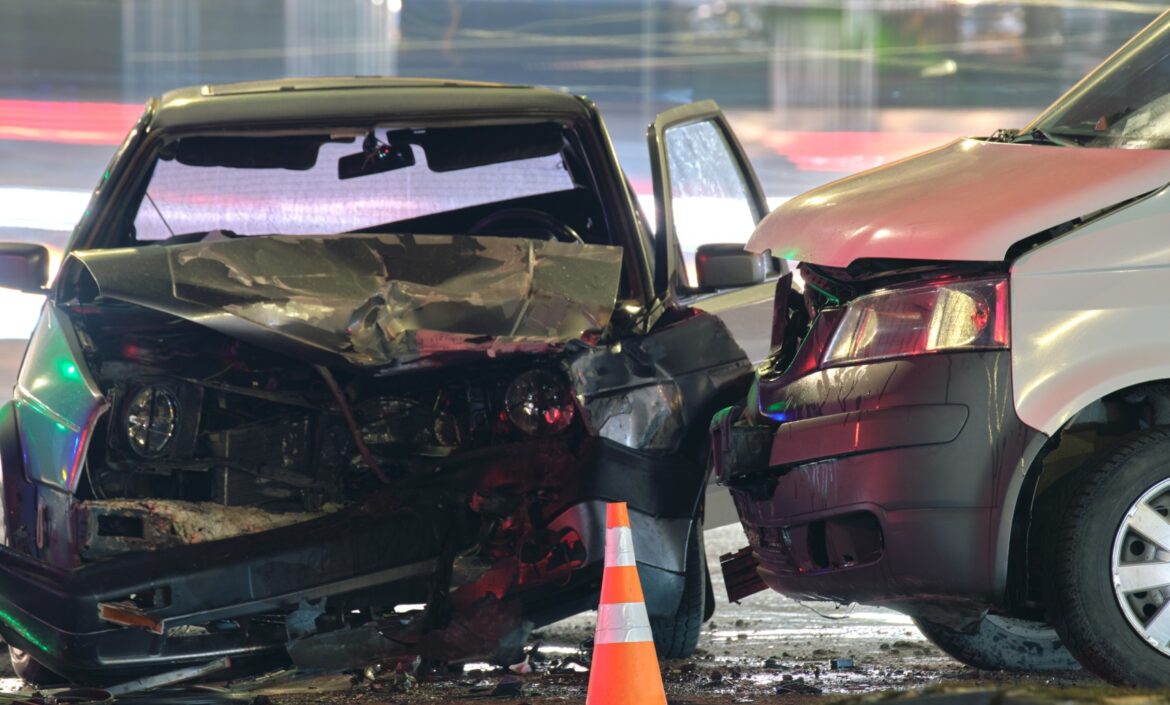
In Wesley Chapel, a car crash can leave drivers facing conflicting accounts of what happened before they have even begun dealing with medical treatment or vehicle repairs. Busy intersections, growing traffic, and multiple vehicles involved in a collision can make responsibility difficult to determine from the outset. When fault is uncertain, an experienced car crash lawyer focuses on preserving evidence, reviewing every available fact, and building a clear picture of the events so an injured person’s claim is guided by proof rather than competing assumptions.
Early Review
Unclear blame can harden fast if no one tests the first version on paper. A Wesley Chapel auto accident lawyer may review scene photos, driver statements, cell activity, roadway layout, and vehicle damage before key facts disappear. That early look often prevents a careless remark, a missing witness, or an inaccurate diagram from steering the claim in the wrong direction.
Why Stories Split
People rarely absorb a crash in the same way. Shock can distort timing, speed, distance, and signal color within seconds. One driver may recall a lawful turn. Another may remember sudden swerving. Counsel treats those differences as a reason to gather outside proof, rather than accept the firmest voice in the room.
Scene Proof
Road evidence often offers a steadier account than memory. Skid length may show braking effort. Debris spread can suggest direction after contact. Scrape marks sometimes reveal where metal first met metal. Lawyers often seek images from drivers, nearby businesses, homes, and public cameras. That combined record can rebuild movement with far more precision than either driver can provide later.
Vehicle Records
Many newer vehicles hold useful pre-impact data. Event recorders may capture speed, brake use, steering input, and seat belt status seconds before contact. Damage patterns matter as well. Crush depth, transfer marks, and panel alignment can support one account or weaken another. When the sequence remains disputed, counsel may bring in an engineer to interpret the physical evidence.
Witness Checks
Witness testimony can help, though reliability depends on timing, distance, and angle. A person at the intersection may have a clear view of lane movement. Someone arriving after the sound of impact may not. Lawyers examine whether each witness saw the whole event or only part of it. They also compare consistency, detail, and possible bias before relying on any statement.
Comparing Accounts
Small differences can carry unusual weight. One observer may recall a late signal. Another may remember a horn followed by abrupt braking. Those details either fit the roadway evidence or clash with it. A lawyer uses that comparison to separate direct observation from guesswork dressed as certainty.
Police Reports
Police reports matter, but they rarely close the issue by themselves. Officers often arrive after the collision and must piece events together from roadway conditions, statements, and visible damage. Reports can miss a witness, note the wrong lane, or omit a nearby camera. When that happens, counsel can seek correction or answer the report with stronger supporting proof.
Medical Timing
Medical records can also clarify how a crash likely occurred. Injury patterns often line up with the direction and force of impact. Rear-end collisions may produce neck strain and head movement. Side impacts can create rib, shoulder, or hip trauma. Lawyers use treatment notes, imaging, and physician observations to connect bodily response with collision mechanics in a grounded way.
Insurance Tactics
Insurers often move quickly when liability is unsettled. An adjuster may request a recorded statement before symptoms fully develop or repair findings are complete. Carriers may also isolate one unfavorable detail while minimizing stronger facts. A lawyer slows that process, controls communication, and answers weak blame arguments with records, photographs, data, and expert review.
Shared Fault in Florida
Florida law can reduce recovery when an injured person carries some share of blame. That makes fault percentages extremely important in disputed claims. Counsel works to keep the record accurate and resist unfair blame shifting. Even a modest change in assigned responsibility can affect damages, bargaining position, and trial exposure in a serious crash case.
Filing Strategy
Once the facts begin to form a pattern, strategy matters. Lawyers may preserve video, inspect vehicles, subpoena records, and send notice letters early. They also look for every possible source of responsibility, which may include another driver, an employer, or a vehicle owner. That broader review helps keep important facts from slipping outside the claim.
Conclusion
When fault remains uncertain, legal work is far more than arguing over blame. A car crash lawyer gathers facts, tests each account, and builds a clear explanation rooted in records, roadway evidence, and injury timing. Every detail can meaningfully shift responsibility. In a disputed Wesley Chapel collision, careful case handling can turn confusion into a claim supported by proof rather than assumption.