
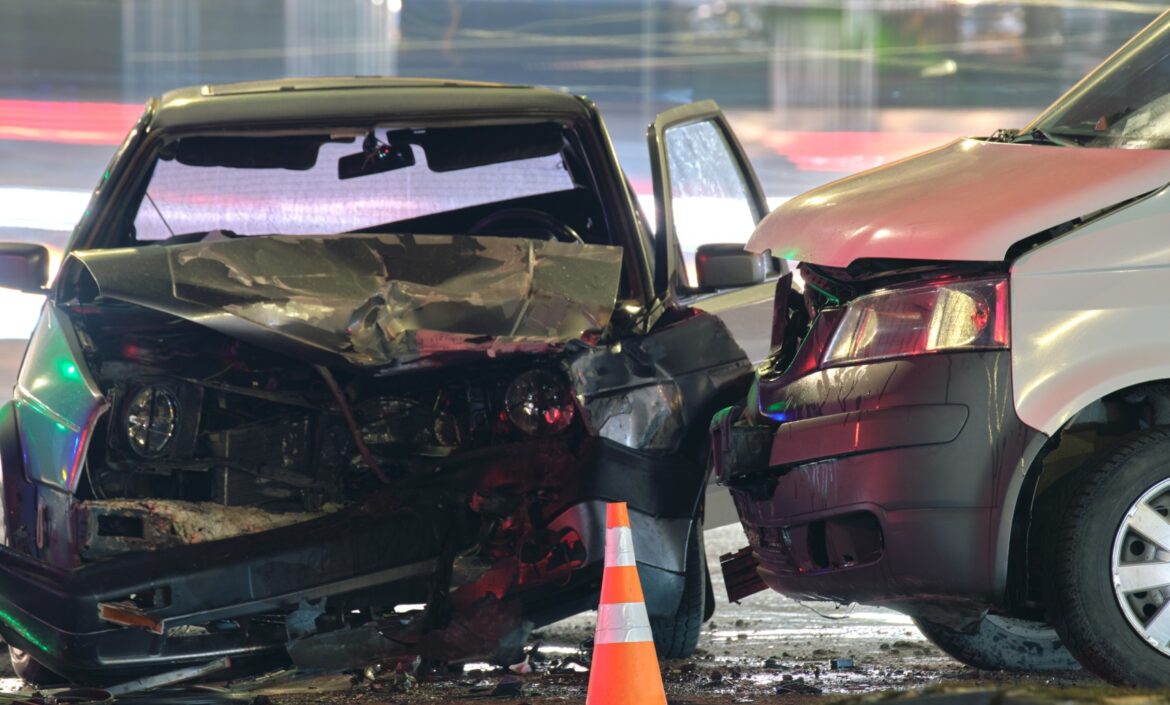
Atlanta’s busy highways, crowded intersections, and constant flow of commuter traffic create conditions where even a seemingly straightforward collision can lead to conflicting accounts of what happened. When both drivers insist they were not responsible, resolving the claim requires far more than competing statements. A car crash attorney investigates the evidence carefully, using roadway conditions, vehicle damage, witness information, and other objective proof to determine how the collision unfolded and who should be held legally responsible.
Why Denials Matter
Insurers usually slow a claim once each motorist denies blame, because the file turns on proof instead of accusation. In that setting, a car accident attorney in Atlanta studies report details, road geometry, witness timing, and damage patterns before forming an opinion. That early review can expose a weak story, a missed signal, or a lane movement that a driver hoped would go unnoticed.
First Facts Reviewed
Initial review often starts with the crash report, scene photographs, and repair images. Those materials may show lane position, direction of travel, and the first contact point. Attorneys also compare officer notes with later driver statements. Any shift in detail can matter. Small inconsistencies often carry more weight than broad claims of innocence, because they suggest memory gaps, panic, or a deliberate effort to reshape events.
Local Road Context
Street design can shape fault analysis in a serious way. Intersections, short merge areas, signal timing, and blocked sight lines influence split-second choices. Heavy commuter traffic can also pressure drivers into abrupt turns or unsafe lane changes. Attorneys examine whether the roadway supports one account better than the other. A claim gains force when the physical setting matches the story told after the crash.
Vehicle Damage Patterns
Damage location tells a practical story about motion and angle. Front-end crush may suggest close following, while side impact can support an unsafe turn or lane drift. Scrape marks, paint transfer, shattered lamps, and wheel position help show how the vehicles met. If a driver reports a full stop, but deformation suggests strong forward momentum, that statement may lose value very quickly.
Skid Marks And Debris
Tire marks and scattered debris help map movement before contact. Long braking streaks may show a late reaction, while curved marks can indicate swerving. A debris field often identifies the true impact area, even if both vehicles rolled elsewhere afterward. Attorneys compare those details with weather, pavement condition, and grade. Dry asphalt with little braking evidence may point to distraction or delayed hazard perception.
Electronic And Video Evidence
Many disputed claims now turn on digital proof. Dash cameras, traffic cameras, business surveillance, and event data recorders may capture speed, braking, steering input, or signal use. Timing matters because some systems overwrite footage quickly. Counsel often moves early to preserve that evidence. A single clip or data set can settle a factual dispute that hours of argument fail to resolve.
Witness Credibility
Neutral witnesses can change the direction of a close case. Attorneys look at where each person stood, what that person could actually see, and whether the account remained stable over time. Distance matters. A pedestrian near the curb may notice phone use, while someone across the street may miss a turn signal. Independence usually gives a statement greater weight during settlement discussions.
Phone And Driver Records
A denial of fault may weaken if records show distraction, fatigue, or impairment near the collision time. Phone logs can place a call or message close to impact. Work schedules may support sleep loss after a long shift. Repair history can matter too, if brakes, tires, or lamps were compromised. Attorneys do not rely on accusation alone. They connect records to the crash pattern first.
Injuries And Timing
Medical records are reviewed for more than financial loss. Injury patterns can support body position, seat placement, and direction of force during impact. Neck strain, chest bruising, knee trauma, and airbag burns may align with the strike angle described elsewhere. Timing also matters. Prompt treatment can support consistency, while long delays may invite doubt unless a clear reason explains the gap in care.
Comparative Fault In Georgia
Georgia uses modified comparative fault. A driver may recover damages only if that person bears less than 50 percent of the blame. Any recovery is reduced by the assigned share of responsibility. Because of that rule, attorneys often examine whether fault should be divided rather than placed entirely on one motorist. In disputed crashes, partial responsibility is common and can strongly affect case value.
Conclusion
When both drivers deny fault, the dispute becomes a disciplined review of facts that resist spin. A car crash attorney examines damage patterns, digital records, witness accounts, road conditions, and medical findings to identify the most credible sequence. Liability is usually built from consistent details, not loud opinions. The side with clearer proof, stronger timing, and a story that matches the physical record often controls the outcome.